Whole Person Healthy Aging Professional Microcredential
Unlock New Ways to Support Well-Being in Older Adulthood

Unlock New Ways to Support Well-Being in Older Adulthood
Whole person health recognizes that optimal health is more than the absence of disease; it is attending to all aspects of health and well-being – physical, mental, social and spiritual – and recognizing each individual fully, within the context of their family, community, and culture.
The Whole-Person Healthy Aging (WPHA) Microcredential is comprised of five online, asynchronous courses. You may register for and complete each course separately to earn individual badges; or register for the full program to enjoy a 33% discount. It's up to you! Upon completing all five courses - or badges - you will earn the full professional microcredential.
The WPHA microcredential courses offer foundational knowledge and practical skills for all learners who are newer to the field of aging, including social workers, public health professionals, nurses, chaplains, occupational and physical therapists, other interdisciplinary team members, and anybody in a caregiving role.
Courses are delivered fully online and may include short lectures, articles to read, videos to watch and interactive activities such as case study application scenarios, reflection opportunities and quizzes.
The courses vary in the time it will take to complete each one. Most courses will take between 10-12 hours to complete, depending on your pace and schedule.
Each course costs $120–150 per person. Register for one or all depending on your needs. Group discounts are available for groups of 10 or more.
You will receive a certificate documenting your continuing education (CE) hours after completing each course. If you complete all five courses, you will receive 50 CEs. See below for CE details for each course.
The Whole-Person Healthy Aging Professional Microcredential is designed to provide professionals with a basic understanding of important elements when working with older adults from a whole person health lens. Learn more and register below.
We Encourage Starting Here
Whole person care is a key component of quality of life for older adults. In this course, you will learn the basic elements of whole person health looking at bio-psycho-social-spiritual well-being in older adulthood. You'll gain a beginner's understanding of person-centered, prevention-focused, culturally responsive, and highly integrated care concepts.
Advancing health equity for older adults requires examining the structural, economic, ethical, and social forces that shape health outcomes. Explore social determinants of health, financial vulnerabilities, ageism, social isolation, and ethical dilemmas that can arise when working with older adults.
After completing this badge, you will be better able to apply ethical and equitable approaches when caring for older adults.
Team-based care is essential when working with older adults. This course is designed to introduce you to concepts of interdisciplinary team-based care when working with older adults. It will take you through some of the important values, ethics, roles, responsibilities, communication, collaboration, and culturally responsive practices that members on an interdisciplinary team working with older adults need.
A whole person approach to care is best practice. This badge provides you with an opportunity to eexploree some important bio-psycho-social-spiritual interventions that can lead to improved health outcomes for older adults.
Heath care providers are better able to respond to patients and families at end of life from a culturally responsive lens. This course provides learners with an opportunity to learn about death and dying, hospice vs. palliative care, ethical decision-making, as well as disparities in end-of-life services. You will develop the mindset and skills required to provide sensitive, patient-centered, and equitable end-of-life care.
We offer a 33% discount for those purchasing the full program at one time. This option allows you access to all five courses, receiving 50 CEs upon completion of the WPHA Professional Microcredential.
Total Cost: $500
You will learn from many practitioners across disciplines, including health care providers, community organization leaders and faculty members from St. Thomas.
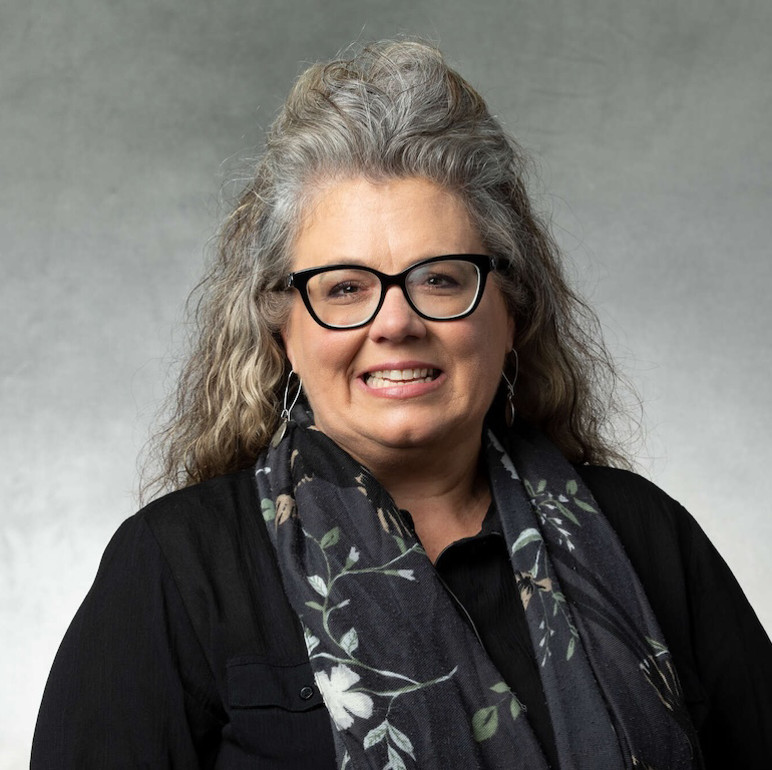
Clinical Faculty, School of Social Work, Morrison Family College of Health
Tanya's interest in social work education and research is based on the continued pursuit of social justice, advancing the common good, and service across the life span. She serves as the Area of Emphasis in Aging faculty coordinator at St. Thomas' School of Social Work.
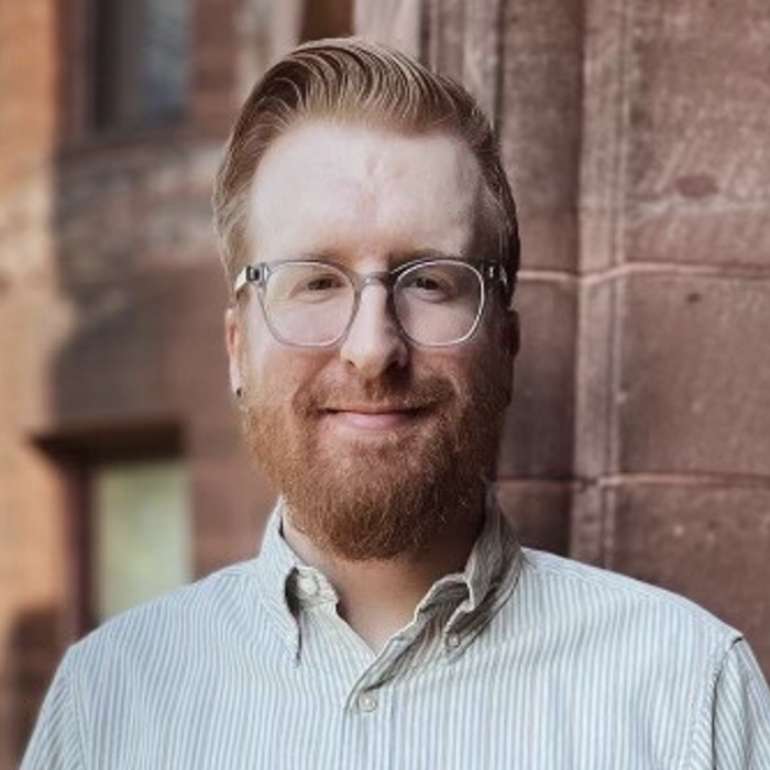
Staff Chaplain, United Hospital
Rev. Olson has been a clinical chaplain for over twelve years, and his professional interests include mental health, addiction, and acute trauma. He is involved in research on post-trauma interventions, mental health and spirituality, psychedelic therapies and spirituality.
Clinical Social Worker
Florence is a clinical social worker and supervisor who currently serves on an interdisciplinary palliative care team in the inpatient hospital setting. Her professional interests include medical ethics, coping with a serious illness, and the experience of surrogate decision-makers.
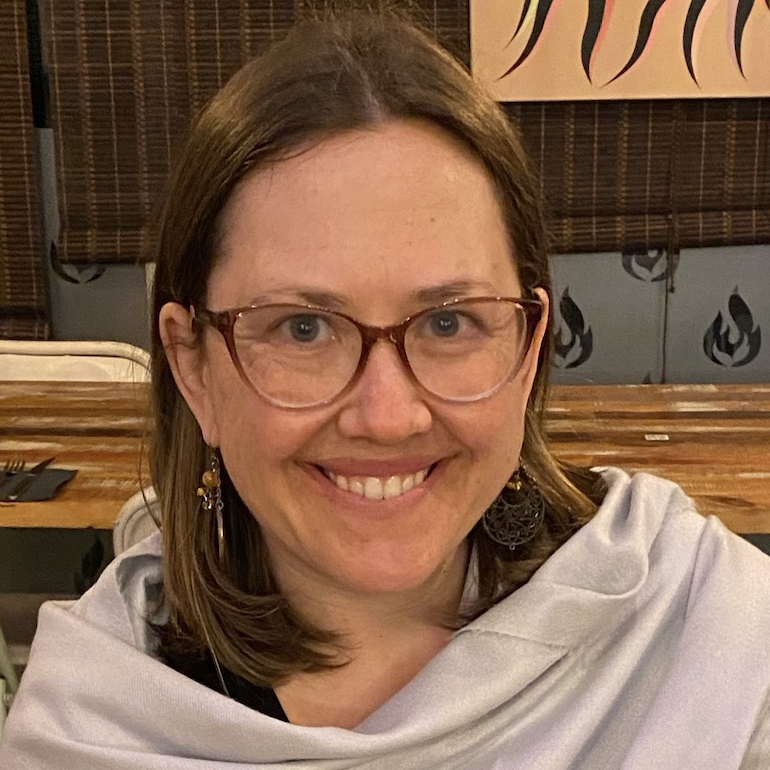
Hospice Social Worker, Park Nicollet
Beth has been with Park Nicollet Hospice for 10 years. She first served as a hospice social work case manager and transitioned to work as a grief counselor supporting individuals and families through the first 13 months following the death of their loved ones.
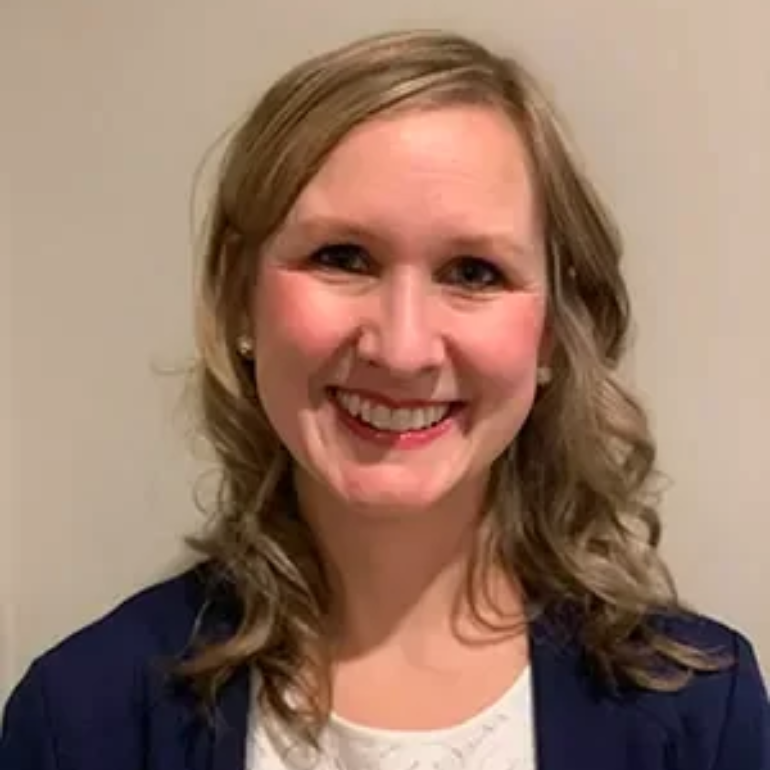
Clinical Social Worker, Associated Clinic of Psychology
Amanda has provided therapeutic services in diverse mental health and substance abuse fields. Her clinical interests include depression, anxiety, mood disorders, suicidal thoughts, transition of life issues, interpersonal difficulties, substance abuse, and crisis intervention.
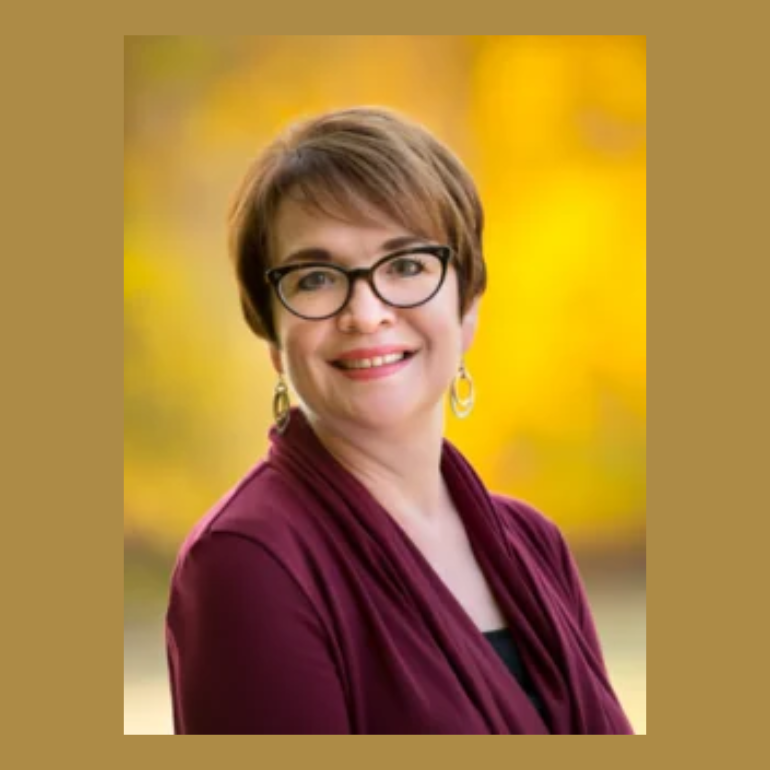
Clinical Social Worker, Open Circle Adult Day Center & Support Services
Carol works with older adults living with dementia, their caregivers, and their families. She’s a certified Caregiver Consultant through the Minnesota Board on Aging and has been a Certified Independent Trainer for Teepa Snow’s Positive Approach to Care (dementia education).
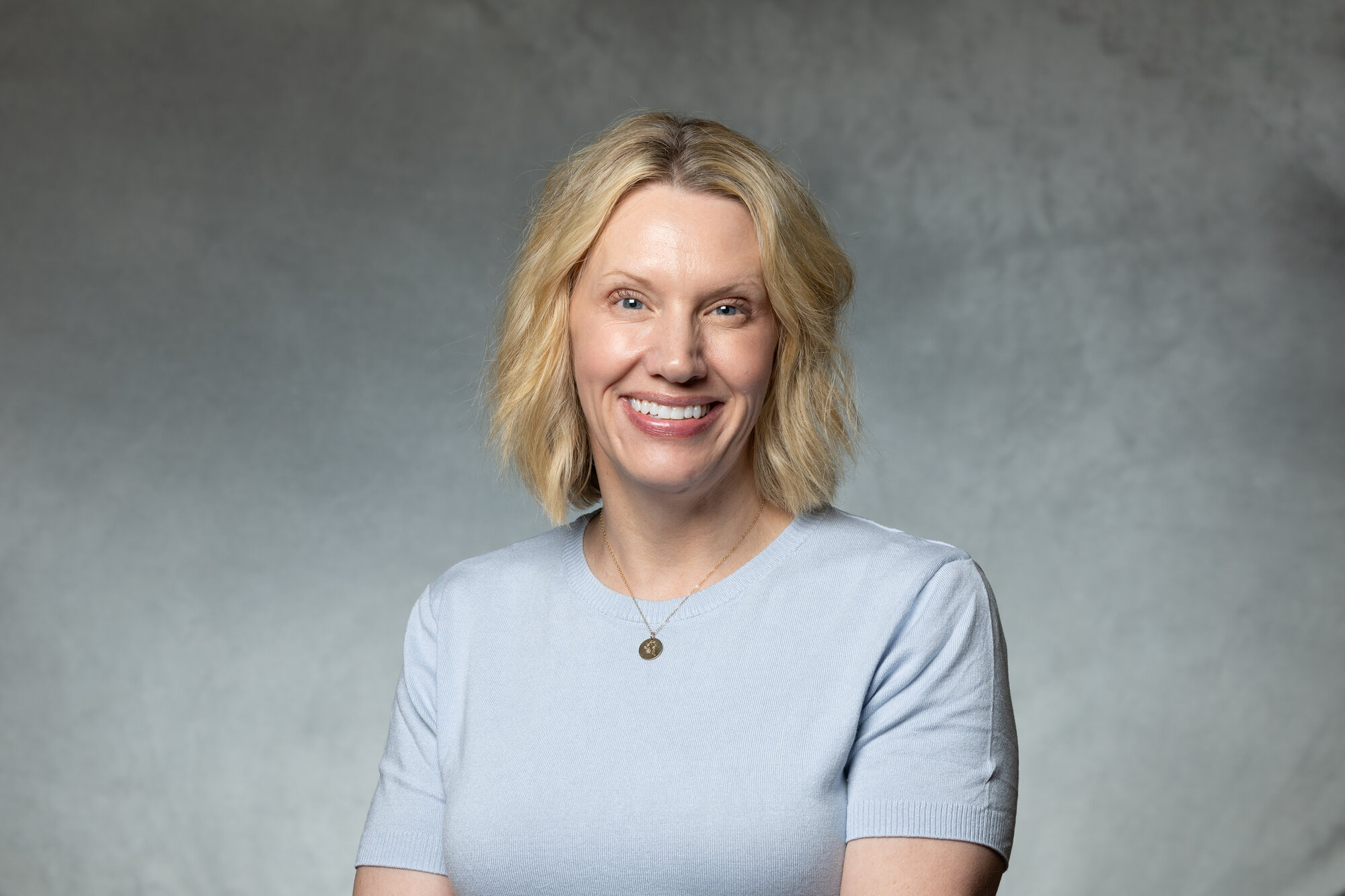
Clinical Faculty, Susan S. Morrison School of Nursing, Morrison Family College of Health
Lisa has worked as a Gerontologic Nurse Practitioner since 2002 and continues to maintain a practice while working as faculty. Her area of interests include gerontology, integrative medicine, and whole person care.
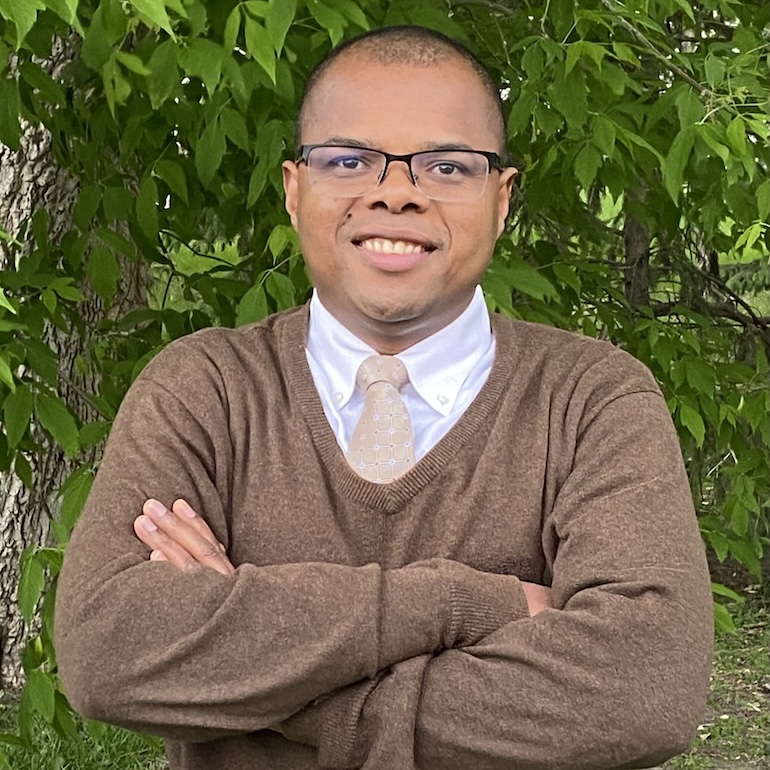
Staff Chaplain, Mercy Hospital
Barson holds a Ph.D. in Pastoral Care and Counseling from Luther Seminary in St. Paul, MN. He currently serves as a staff chaplain at Mercy Hospital, part of Allina Health.
You will receive a certificate documenting your continuing education (CE) hours after completing each course. The University of St. Thomas is an approved CE provider through the Minnesota Board of Social Work. If you work in another profession, we encourage you to check with your licensing board or certifying organization to verify that the hours meet your renewal requirements.
This professional microcredential does not apply to a graduate degree, but it will result in several continuing education units or CEs upon completion.
Yes! If you purchase all five courses at once, you will receive a 33% discount.
If your company or organization is interested in a group discount, that also applies at 10 or more students.