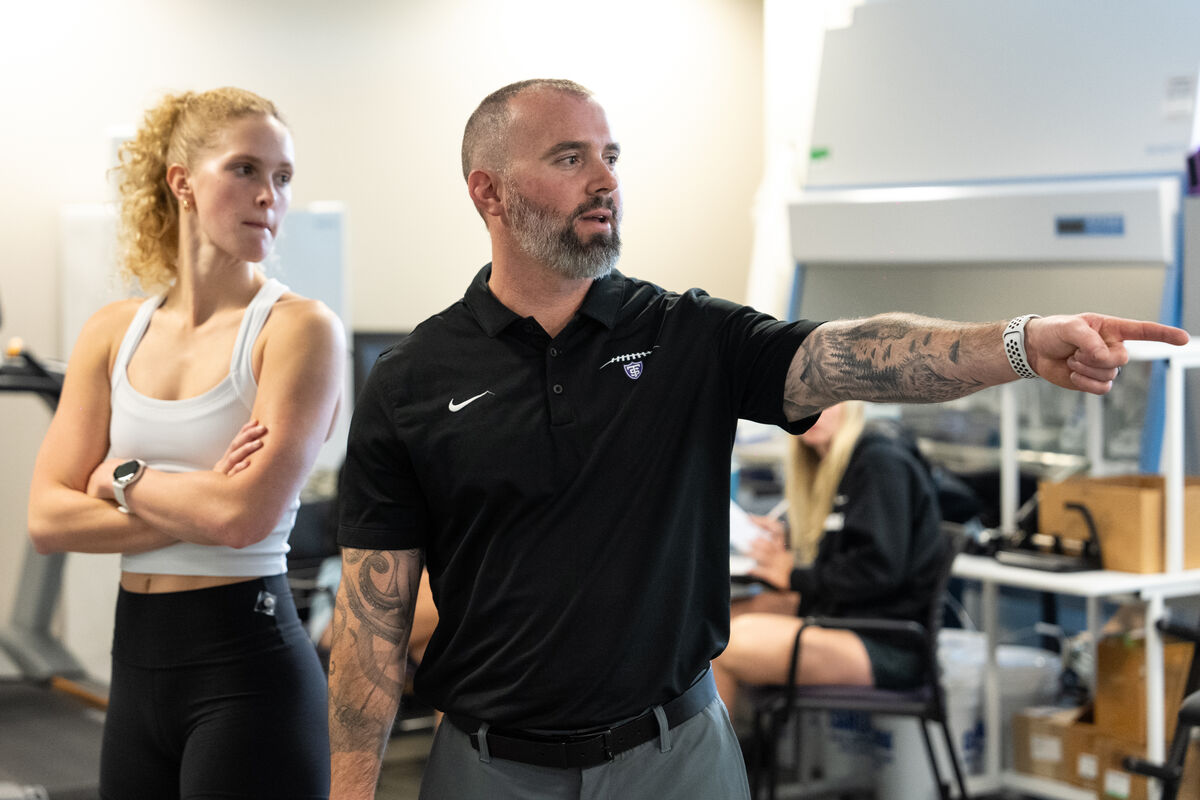
Faculty in Exercise Science, Public Health, and Whole-Person Health
In the Department of Health and Exercise Science (HES) at the University of St. Thomas, faculty and staff are on a mission to improve health for every body. Across exercise science, health promotion and wellness, public health, and nutrition, you'll learn from educators who combine scientific expertise with a strong commitment to student success.
Whether you're preparing for a health profession, graduate school, or a career in community well-being, HES faculty help you build the knowledge, skills, and confidence to make a real impact.
HES includes undergraduate and graduate programs in both exercise science and public health, preparing students for careers across clinical, community, and population health settings.
What You Can Expect from HES Faculty:
- Teaching that connects theory to real-world health challenges
- Mentorship that supports your academic and career goals
- Learning rooted in health equity, prevention and human flourishing
Graduates pursue careers in public health, health promotion, clinical exercise science, sports performance, and community health organizations.
Faculty Research and Areas of Expertise
HES faculty are active scholars and practitioners exploring key questions in human and population health.
Faculty research and professional strengths include:
- Exercise physiology, biomechanics, and human performance
- Public health systems, prevention, and health equity
- Epidemiology and data-driven approaches to community health
- Mental health promotion and suicide prevention
- Global health implementation and infectious disease work
- Nutrition science and relationship-centered eating
- Metabolic and hormonal responses to high-intensity exercise
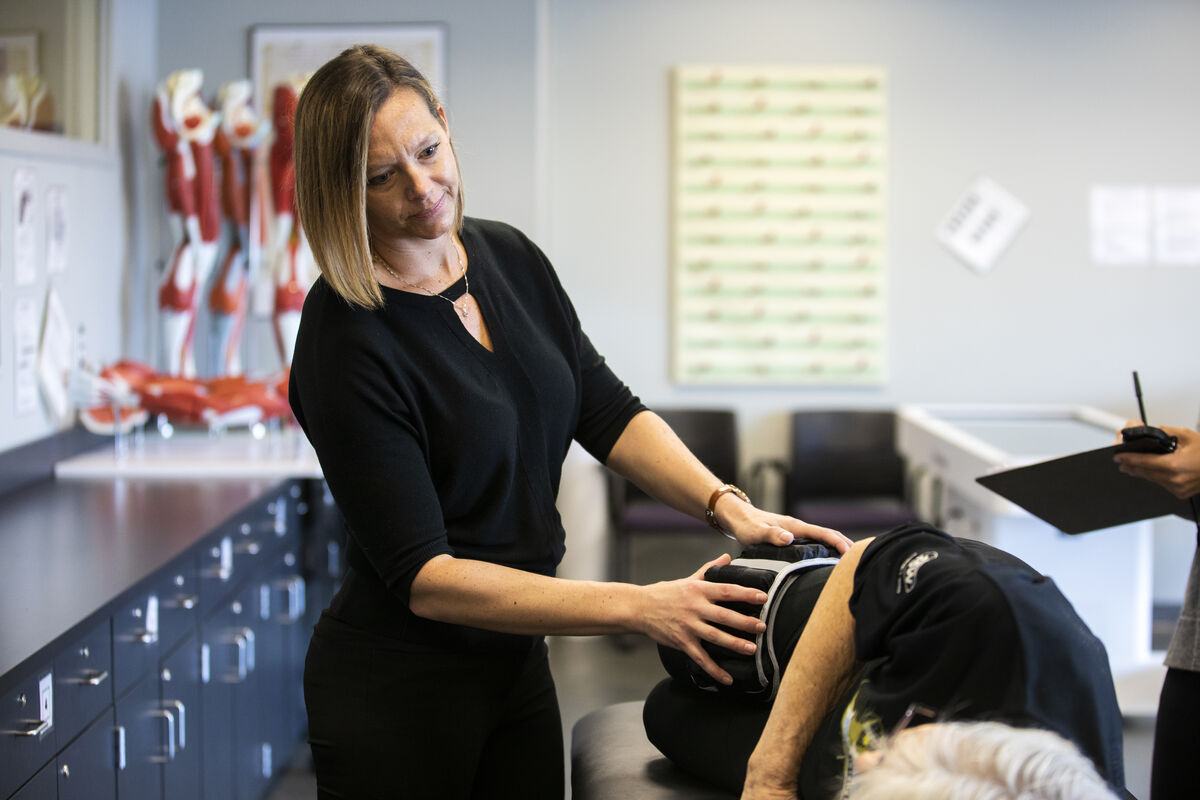
Undergraduate Teaching with Graduate-Level Opportunities
HES has a long legacy of excellent undergraduate teaching—and now brings that same student-centered approach into graduate education with the launch of the online Master of Public Health (MPH).
How Faculty Support Student Learning
Our faculty support students throughout their programs with:
- Clear, competency-aligned curriculum
- Small class environments where professors know you
- Applied projects that prepare you for the workplace
- Advising and mentorship that continues beyond graduation
You'll be challenged and supported by faculty who care about who you're becoming—not just what you're learning.
Hands-On Learning in Labs and Applied Settings
HES faculty give students direct access to tools, data, and professional experiences often reserved for graduate study.
Examples of faculty-guided learning experiences:
- Biomechanics and performance labs using motion capture and muscle activation tools
- Undergraduate research projects tied to faculty expertise
- Opportunities to work directly with Division I athletes through the Sports Science Institute
This is where learning gets real—and where students build the confidence to step into careers or advanced study.
Partnerships That Extend Learning Beyond the Classroom
Faculty work closely with healthcare organizations, public health agencies, and athletics programs to create real-world learning opportunities.
Students gain experience through internships, research collaborations, and applied projects that connect classroom learning to professional practice.
Sports Science Institute: Faculty-Guided Performance Training
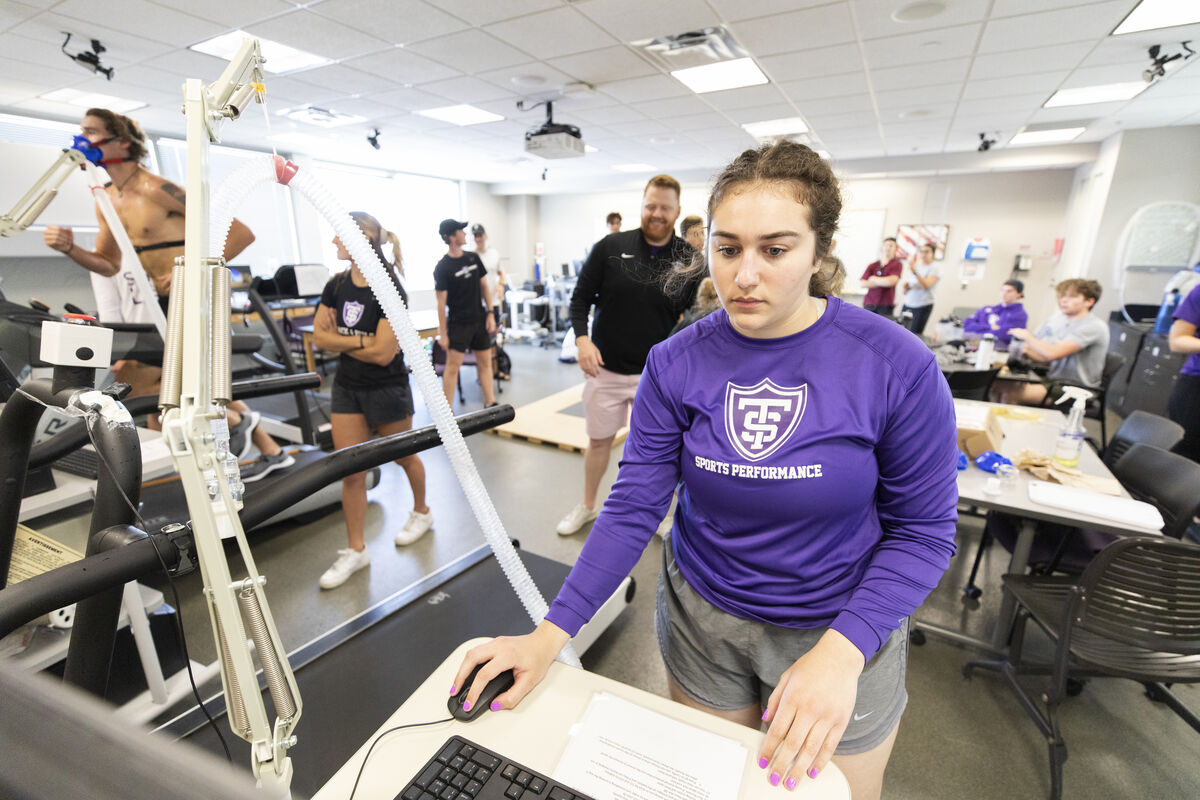
Through the Sports Science Institute (SSI), HES faculty mentor students who use state-of-the-art technology to help Tommie athletes train smarter, perform better, and reduce injury risk.
Students work alongside faculty and athletics professionals using tools such as:
- VO₂ max testing for aerobic capacity
- BodPod body composition analysis
- DEXA scanning for bone density
- Wearable performance sensors tracking heart rate, workload, and recovery
SSI is a signature example of HES teaching: applied, collaborative, and built around student growth.
Brett Bruininks, PhD, Department Chair & Associate Professor
Meet the Chair
Dr. Bruininks leads HES with a passion for human performance and lifelong health. His current research explores the influence of specialized multi-component resistance training on gait efficiency and fall prevention in older adults, and he is the co-author of the Bruininks-Oseretsky Test of Motor Proficiency (BOT-3; Pearson Publishing) that assesses motor deficits in children and young adults. As a former division I and professional athlete, and collegiate ice hockey coach, Dr. Bruininks brings a unique applied perspective to the classroom and his work.
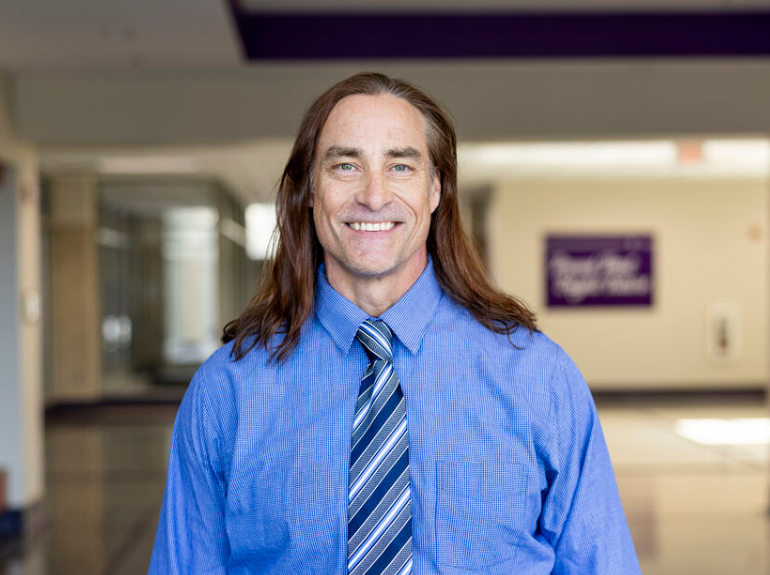
Graduate Faculty in Public Health (MPH Program)
As HES expands into graduate education, MPH students learn from faculty with strong public health and population-health expertise.
Graduate-level teaching includes strengths in:
- Community and school health initiatives
- Epidemiology and environmental health
- Global health systems and implementation science
- Mental health promotion and prevention
- Equity-centered public health leadership
You’ll be guided by faculty who understand both the science and the human side of prevention.