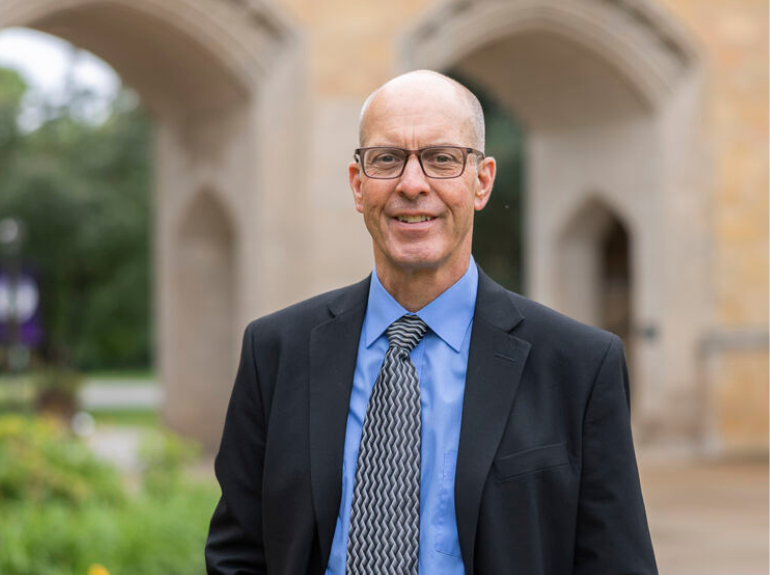
Social Work Faculty Focused on Practice, Equity, and Community Impact
At the St. Thomas School of Social Work, you'll learn from faculty who are recognized scholars, researchers, and practitioners—and who lead with heart. They bring real-world experience into every course, mentor students closely, and prepare future social workers to advance human dignity, health equity, and the common good.
Our faculty are committed to teaching excellence in a focused, personal learning environment. They don't just teach what social work is—they show you how to practice it with skill, humility, and purpose in the communities that need it most.
What This Means for You:
- Learn from faculty actively engaged in social work practice and research
- Build a strong professional identity through close mentorship
- Prepare for careers across clinical, community, and policy settings
Programs are designed to prepare you for professional social work licensure and practice across a range of settings. Graduates pursue careers in clinical social work, community organizations, healthcare systems, schools, and policy and advocacy roles.
Faculty Expertise Across Social Work Practice Areas
Social work spans clinical care, community support, and systems-level change. Faculty bring expertise across micro, mezzo, and macro practice, including:
- Clinical social work and mental health
- Integrated behavioral health care
- Trauma-informed practice and healing
- Addiction and co-occurring disorders
- Practice with older adults (gero-social work)
- Practice with people from immigrant and refugee backgrounds
- School social work and youth/family practice
- Policy, advocacy, and community engagement
Faculty work closely with community organizations and agencies to support field placements, internships, and collaborative research.
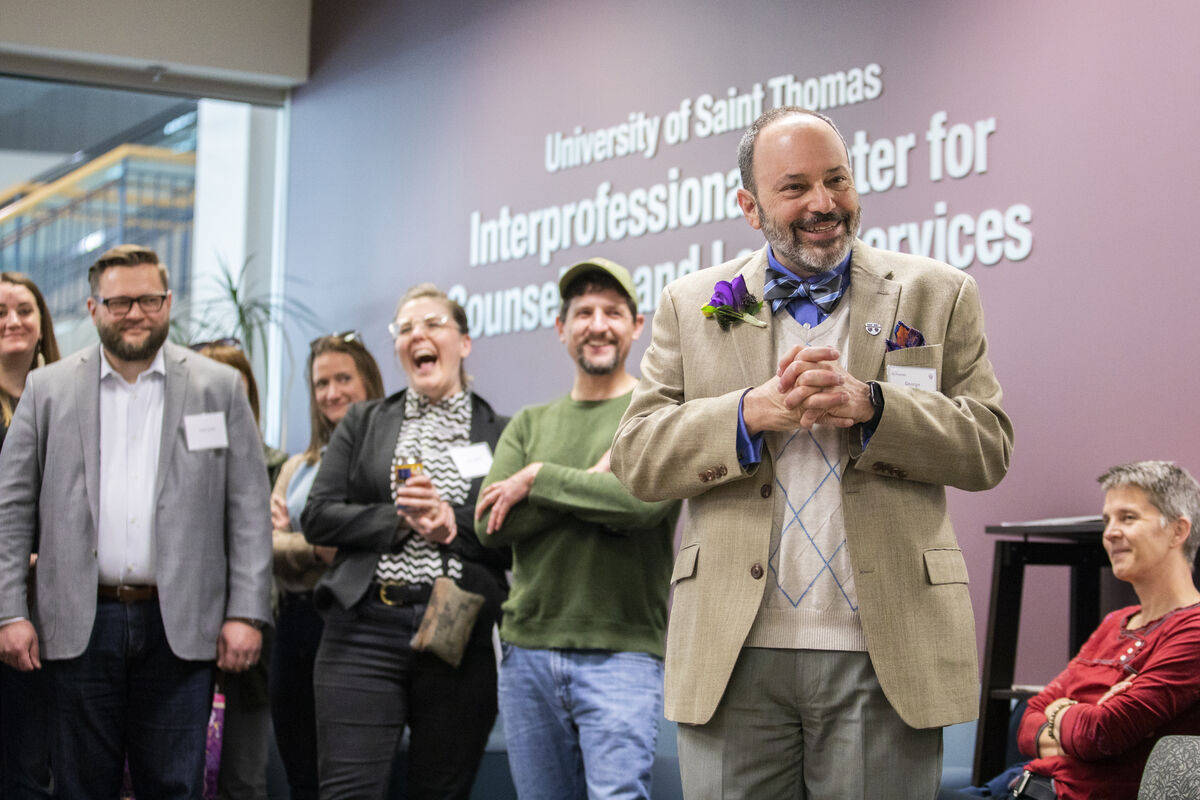
Teaching, Field Education, and Interprofessional Learning
Faculty at St. Thomas combine teaching with engaged scholarship. That means your classes are shaped by current research, real practice experience, and the issues social workers are facing right now.
- Teaching that's personal and practice-based in small, mentoring-centered classes
- Applied research and scholarship that often includes student collaboration
- Interprofessional learning with nursing, psychology, and health science students—because real clients need coordinated care
Students complete field education experiences in community organizations, healthcare settings, and social service agencies. Learn more about field education and program areas:
Field Education Areas of Emphasis Interprofessional Learning
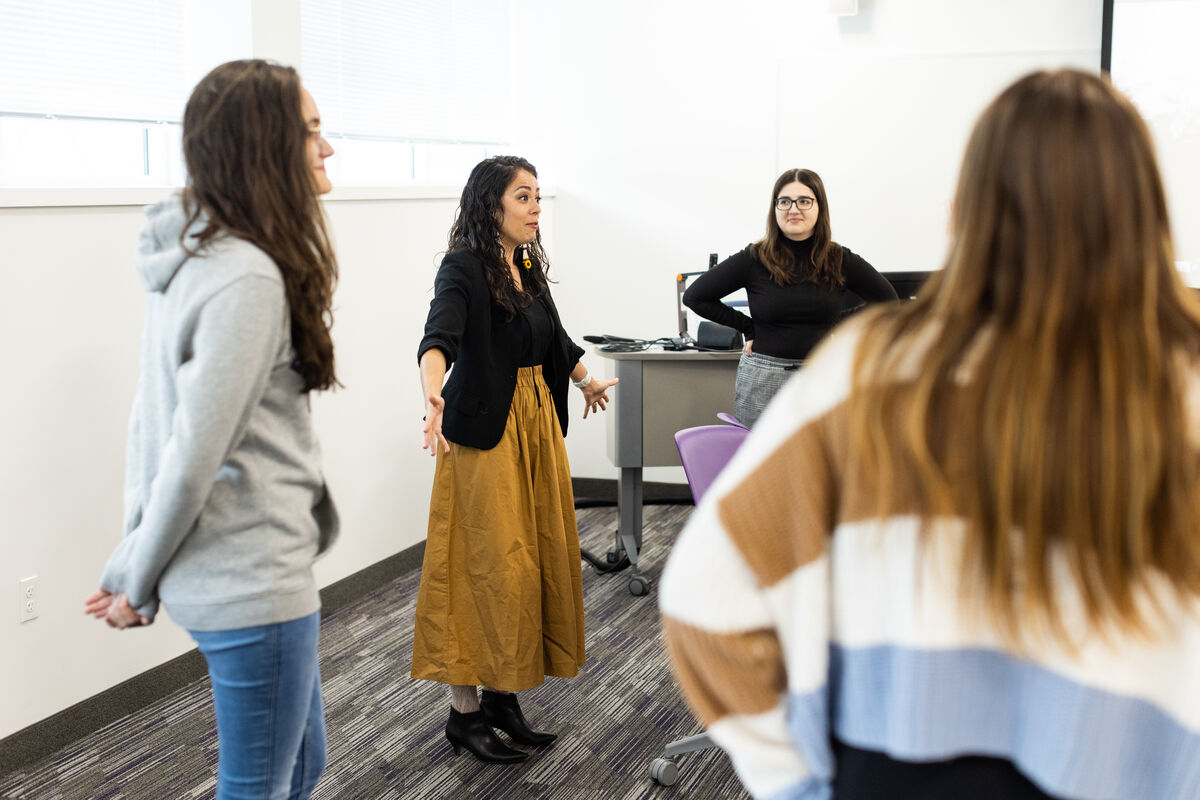
Faculty in Action: Research and Community Impact
Dr. Catherine Marrs Fuchsel—DSW Associate Professor—shares expertise on complex community issues like domestic abuse among immigrant Latinas, helping raise awareness and advance prevention and support.
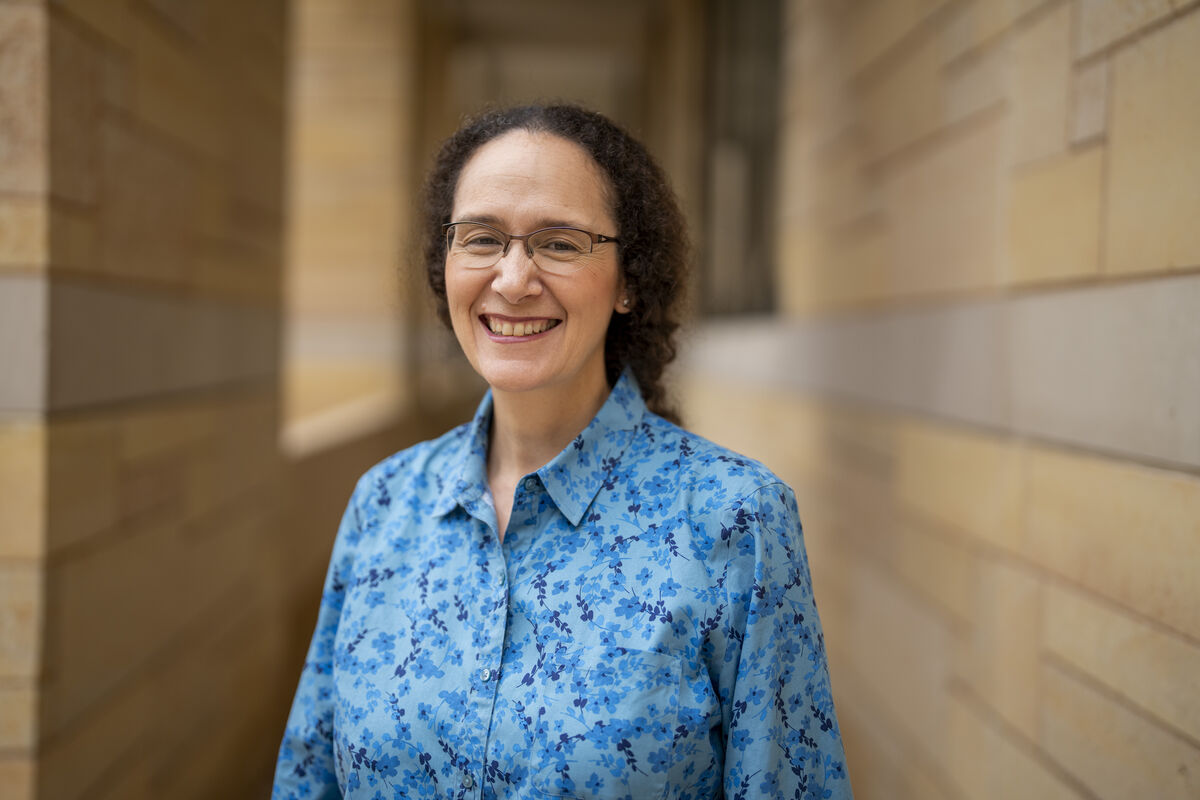
Meet the School of Social Work Chair
Dr. Mackie is a servant leader with a passion for supporting families and children, rural communities, veterans, social justice, and ethics in the field of social work.
He leads the School of Social Work with a focus on student success, strong community partnerships, and preparing culturally responsive social workers who advance health and well-being.