The Master of Public Health at St. Thomas prepares students to advance whole-person and population health, prioritize prevention, and work towards equitable outcomes for all.
The program is aligned with national public health program accreditation standards, ensuring industry-recognized foundational training. Learning from experienced faculty and hands-on experiences, graduates are prepared for careers in fields like health education, policy analysis, program evaluation, emergency preparedness, and health services management.
If you're passionate about making a difference to improve health outcomes for an entire population, the University of St. Thomas offers a highly personal, real-world-ready education designed for impact and a meaningful career. Our expert faculty will guide and mentor you and you'll join a supportive community of peers - all leading to a lifelong professional network.
The Master of Public Health program is fully online, with asynchronous coursework. However, more than 50% of the classes offer synchronous opportunities for live engagement with faculty and peers. The program is designed to offer a variety of student-centric learning opportunities which focus on the learner's needs and goals. Examples of learning activities include personal reflection, project-based learning, inquiry-based learning, and collaborative learning.
By fostering a sense of ownership and relevance, flexible and high-quality teaching aims to increase student engagement and motivation, leading to better academic outcomes.
Cohort-Based Learning
The cohort model is designed to help you learn and work together. Our small class sizes promote a supportive, community-driven learning environment. Cohort-based, relationship-centered learning fosters ethically grounded, community-aware leadership development. When you are one of 15 to 20 students, the professors will know you, and you'll know each other.
Two Year Commitment
Students will complete this program in just two years, with a typical course load of 6-9 credits per semester (fall, spring, and summer). This is enough coursework to keep you invested and engaged, while also allowing you to focus on your other responsibilities like family and work obligations.
Fully Online MPH Program
The Master of Public Health program is fully online, with asynchronous coursework. However, more than 50% of the classes offer synchronous opportunities for live engagement with faculty and peers. The program is designed to offer a variety of student-centric learning opportunities which focus on the learner's needs and goals. Examples of learning activities include personal reflection, project-based learning, inquiry-based learning, and collaborative learning.
By fostering a sense of ownership and relevance, flexible and high-quality teaching aims to increase student engagement and motivation, leading to better academic outcomes.
Cohort-Based Learning
The cohort model is designed to help you learn and work together. Our small class sizes promote a supportive, community-driven learning environment. Cohort-based, relationship-centered learning fosters ethically grounded, community-aware leadership development. When you are one of 15 to 20 students, the professors will know you, and you'll know each other.
Two Year Commitment
Students will complete this program in just two years, with a typical course load of 6-9 credits per semester (fall, spring, and summer). This is enough coursework to keep you invested and engaged, while also allowing you to focus on your other responsibilities like family and work obligations.
Public Health Courses Centered on Equity and Justice
The curriculum is designed with a core emphasis on health equity, social justice, and whole-person health, aligning with the Morrison Family College of Health mission. Every course centers on health equity, prevention, and justice—empowering graduates to address pressing local and global challenges.
With a community focused Capstone course and electives such as Injury Prevention, Global Health, and Chronic Disease Prevention, you can see how coursework transcends the classroom, bringing students into the world to promote equity in real time.
MPH Curriculum and Career Outcomes
Public Health Degree Coursework
PUBH 500: Public Health Foundations and Ethics (3 credits)
PUBH 530: Healthcare Systems & Health Policy (3 credits)
PUBH 540: Biostatistics for Public Health (3 credits)
PUBH 560: Health Literacy & Health Communication (3 credits)
PUBH 570: Program Planning & Evaluation (3 credits)
PUBH 580: Epidemiology for Public Health (3 credits)
PUBH 590: Leadership and Program Management/Administration (3 credits)
PUBH 600: Social & Behavioral Health (3 credits)
PUBH 610: Environmental & Occupational Health (3 credits)
PUBH 650: Computational Analysis Methods for Public Health Data (software) (3 credits)
PUBH 670: Research Methods for Public Health (3 credits)
PUBH 680: Capstone Integrative Experience in Public Health (3 credits)
ELECTIVES
PUBH 505: Global Health (3 credits)
PUBH 515: Introduction to Maternal & Child Health (3 credits)
PUBH 525: Injury Prevention & Control in Public Health (3 credits)
PUBH 555: Healthy Aging & Public Health (3 credits)
PUBH 615: Be Ready! Emergency Preparedness & Response (3 credits)
PUBH 635: Infectious Disease Control (3 credits)
PUBH 645: Chronic Disease Prevention (3 credits)
PUBH 685: Internship in Public Health (2-3 credits)
PUBH 695: Research Independent Study (2-3 credits)
Public Health Degree Coursework
PUBH 500: Public Health Foundations and Ethics (3 credits)
PUBH 530: Healthcare Systems & Health Policy (3 credits)
PUBH 540: Biostatistics for Public Health (3 credits)
PUBH 560: Health Literacy & Health Communication (3 credits)
PUBH 570: Program Planning & Evaluation (3 credits)
PUBH 580: Epidemiology for Public Health (3 credits)
PUBH 590: Leadership and Program Management/Administration (3 credits)
PUBH 600: Social & Behavioral Health (3 credits)
PUBH 610: Environmental & Occupational Health (3 credits)
PUBH 650: Computational Analysis Methods for Public Health Data (software) (3 credits)
PUBH 670: Research Methods for Public Health (3 credits)
PUBH 680: Capstone Integrative Experience in Public Health (3 credits)
ELECTIVES
PUBH 505: Global Health (3 credits)
PUBH 515: Introduction to Maternal & Child Health (3 credits)
PUBH 525: Injury Prevention & Control in Public Health (3 credits)
PUBH 555: Healthy Aging & Public Health (3 credits)
PUBH 615: Be Ready! Emergency Preparedness & Response (3 credits)
PUBH 635: Infectious Disease Control (3 credits)
PUBH 645: Chronic Disease Prevention (3 credits)
PUBH 685: Internship in Public Health (2-3 credits)
PUBH 695: Research Independent Study (2-3 credits)
With your Public Health degree, you'll be able to:
Assess and analyze public health data to identify health trends, risks and protective factors, health disparities, and population needs.
Design, implement, and evaluate public health programs and policies that address pressing health issues, with emphasis on evidence-based practices, whole-person health, and the common good.
Communicate complex public health information, guidance, and recommendations effectively to diverse audiences, including policymakers, healthcare providers, media, general public, and select audiences.
Critically analyze the social, behavioral, and environmental factors that influence population health from local to global levels.
Cultivate essential leadership skills in public health to lead multidisciplinary teams, foster an inclusive work setting, engage in strategic planning and fulfill administrative responsibilities, adhering to legal and ethical principles.
With your Public Health degree, you'll be able to:
Assess and analyze public health data to identify health trends, risks and protective factors, health disparities, and population needs.
Design, implement, and evaluate public health programs and policies that address pressing health issues, with emphasis on evidence-based practices, whole-person health, and the common good.
Communicate complex public health information, guidance, and recommendations effectively to diverse audiences, including policymakers, healthcare providers, media, general public, and select audiences.
Critically analyze the social, behavioral, and environmental factors that influence population health from local to global levels.
Cultivate essential leadership skills in public health to lead multidisciplinary teams, foster an inclusive work setting, engage in strategic planning and fulfill administrative responsibilities, adhering to legal and ethical principles.
Our Master's of Public Health will prepare you for a number of career paths.
Health Education Specialist
Program Planner
Data Analyst (Evaluator)
Health Policy Analysis & Advocacy
Research
Environmental Specialist
Health Program Manager/Supervisor
Health Service Manager
Health Behavior Specialist
Emergency Preparedness & Response
Our Master's of Public Health will prepare you for a number of career paths.
Health Education Specialist
Program Planner
Data Analyst (Evaluator)
Health Policy Analysis & Advocacy
Research
Environmental Specialist
Health Program Manager/Supervisor
Health Service Manager
Health Behavior Specialist
Emergency Preparedness & Response
Public Health Faculty at St. Thomas
Dr. Amy Hedman-Robertson
Program Director
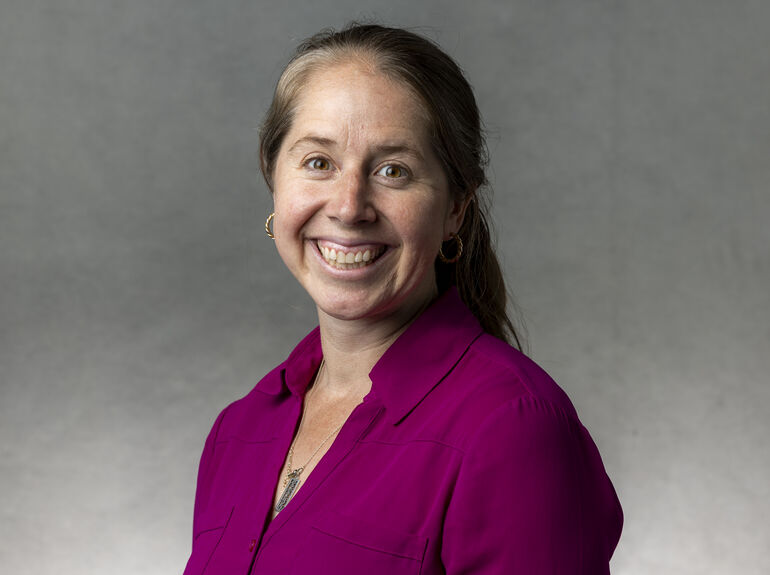
Dr. Amy Hedman-Robertson graduated with a PhD in Health Education from the University of Kansas. She has a passion for education and works hard to ensure her course curricula are aligned with professional competencies. Her background includes program coordination for adolescent health initiatives in rural communities, serving in school, healthcare, and community-based settings. Her research interests include mental health help-seeking and community-based suicide prevention interventions.
Dr. Deanna Tollefson
Assistant Professor
Dr. Deanna Tollefson earned a PhD in Global Health Implementation Science from the University of Washington. She has extensive global health experience, in both research and practice, focusing on strengthening HIV and tuberculosis (TB) programs in low and middle-income countries. Her experience includes conducting public health work in more than a dozen countries and across multiple sectors, including the government (Centers for Disease Control and Prevention), academia, and non-profits.
Our Public Health degree is going grad! Hear from Undergraduate Public health alums as they speak on the faculty of the program and the benefits of this field of study. We can't wait to welcome our first cohort of Master's students!