Morrison Family College of Health
Psychologist talking with a client.

Become a psychologist

Doctorate in Counseling Psychology (Psy.D.)

Pursue a Doctorate in Counseling Psychology (Psy.D.)

The Counseling Psychology Doctorate prepares professionals for a variety of work settings, such as university counseling centers, community mental health clinics, correctional facilities, schools and hospitals. Graduates typically pursue licensure as a psychologist and provide diverse communities with a range of services including psychotherapy and testing/assessment. Our graduates also engage in clinical supervision, administration, teaching and evaluation.

Our Psy.D. is founded on a practitioner-scholar model. The program trains entry level health service psychologists who integrate the science of psychology with self-reflective practice, think systemically and developmentally, and who provide ethical, inclusive, and culturally sensitive services to advance the common good.

In this program, you will:

  • Establish competence in the core foundational areas associated with scientific psychology and in the foundations of practice associated with the specialty of counseling psychology
  • Demonstrate competence in diagnosing or defining problems through assessment and implementing effective intervention strategies
  • Identify and understand individual and cultural differences
  • Exhibit ethical knowledge and decision-making
  • Be prepared for a career as a psychologist through our Psy.D. Practicum and Internship Experience

Application Deadline: December 15

Where You'll Learn:

Minneapolis Campus

When to Start:

Fall

What’s the difference between a Psy.D. and a Ph.D.?

If you're considering earning a doctorate degree in psychology, you may be trying to decide whether to pursue a Psy.D. or a Ph.D.

St. Thomas offers a Doctorate of Psychology (Psy.D.) degree, which is intended for students who want to use their degree to provide psychological services in practice. A Psy.D. is different than a Ph.D. degree, which is better suited for students who are primarily interested in conducting research and/or teaching at a college or university. This is not to say that Psy.D. students don't conduct research; however, the primary focus for most Psy.D. students is delivering mental health care as licensed psychologists.

For more information, please visit the American Psychological Association's website.

About the Degree

The doctorate in counseling psychology program requires five full-time, in-person academic years of doctoral study, plus internship on the sixth year of study. The program may take up to seven years to complete, depending on practicum placement and dissertation progress. For students transferring from other programs or who have earned a master's degree in counseling psychology or a related field, no more than thirty credits may transfer.

Program Overview

  • First Year
  • Second Year
  • Third Year
  • Fourth Year
  • Fifth Year
  • Sixth Year
  • First Year

    Total of 105.5 Credits

    23 (of 105.5) Credits

    Fall

    • CPSY 703 Introduction to Health Service Psychology 
    • CSPY 740 Foundations of Therapeutic Relationships 
    • CPSY 680 Culturally and Socially Responsive Counseling Psychology

    Spring

    • CPSY 704 Orientation to Research
    • CPSY 632 Psychopathology 
    • Choice (need both by end of program):
      • CPSY 719 Social Psychology
      • CPSY 715 Life Span Development

    Summer

    • CPSY 775 Contemporary Ethical Issues 
    • CPSY 741 Life Review Interviewing
    Browse Counseling Psychology Classes

    Second Year

    Total of 25 Credits

    Fall

    • CPSY 765 Practicum I
    • CPSY 742 Cognitive Behavioral Theories & Treatment Approaches (8 week course)
    • CPSY 743 Psychodynamic & Interpersonal Theories & Treatment Approaches (8 week course) 
    • Choice (need two by the end):
      • CPSY 634 Trauma & Counseling;
      • CPSY 620 Foundations of Substance Use and Addictions;
      • CPSY 960 Child Assessment & Treatment;
      • CPSY 649 Sexual Health and Gender Issues

    J-Term

    • CPSY 765 Practicum I

    Spring

    • CPSY 765 Practicum I
    • CPSY 701 Qualitative Methodologies
    • CPSY 744 Liberatory, Decolonizing, & Indigenous Approaches to Therapy (8 week course) 
    • CSPY 745 Relationship Counseling Theories and Treatment Approaches (8 week course) 

    Summer

    • CPSY 735: Advanced Psychopathology
    Browse Counseling Psychology Classes

    Third Year

    Total of 16 Credits

    Fall

    • CPSY 766 Practicum II
    • CPSY 801 Measurement for Clinicians
    • CPSY 702 Quantitative Methods
    • Choice (need both by end of program):
      • CSPY 717 Vocational & Organizational Development 
      • CPSY 950 Historical Foundations 

    J-Term

    • CPSY 766 Practicum II

    Spring

    • CPSY 766 Practicum II 
    • CSPY 737 Psychological Testing II (Personality) and Lab
    • CPSY 903 Psychological Testing III (Cognitive) and Lab
    Browse Counseling Psychology Classes

    Fourth Year

    Total of 24.5 Credits

    Fall

    • CPSY 767 Practicum III
    • CPSY 631 Physiological Psychology 
    • CPSY 802 Dissertation Methods and Scholarly Writing I 
    • Choice (need two by end of program):
      • CPSY 634 Trauma & Counseling
      • CPSY 620 Foundations of Substance Use and Addictions
      • CPSY 960 Child Assessment & Treatment
      • CPSY 649 Sexual Health and Gender Issues

    J-Term

    • CPSY 767 Practicum III

    Spring

    • CPSY 767 Practicum III
    • CPSY 723 Supervision & Consultation
    • CPSY 803 Dissertation Methods and Scholarly Writing II
    • Choice (need both by end of program):
      • CPSY 719 Social Psychology 
      • CPSY 715 Life Span Development 
    • Optional CSPY 908 Biological Bases of Behavior Neuropsych track (subsitute for choice course)

    Summer

    • CPSY 603 Introduction to Group Psychotherapy
    Browse Counseling Psychology Classes

    Fifth Year

    Total of 22 Credits

    Fall

    • CPSY 746 Innovative and Emerging Strategies for Psychological Care
    • Choice (need both by end of program):
      • CSPY 717 Vocational & Organizational Development
      • CPSY 950 Historical Foundations
    • Optional (Neuropsych track): CPSY 768 Practicum IV 
    • Optional (Neuropsych track): CPSY 905 Neuropsychological Assessment 

    J-Term

    • Optional (Neuropsych track): CPSY 768 Practicum IV 

    Spring

    • CPSY 752 Assessment, Intervention & Consultation in Integrated Health Care 
    • CPSY 739 Cognition, Memory, and Affective Bases of Behavior
    • CSPY 804 Dissertation Methods and Scholarly Writing III
    • Choice (need both by end of program) (Neuropsych track should take at this time):
      • CPSY 719 Social Psychology
      • CPSY 715 Life Span Development
    • Optional (Neuropsych track): CPSY 768 Practicum IV
    Browse Counseling Psychology Classes

    Sixth Year

    Total of 3 Credits

    Fall

    • CPSY 800 Internship 

    Spring

    • CPSY 800 Internship 

    Summer

    • CPSY 800 Internship 
    Browse Counseling Psychology Classes

    First Year

    Total of 105.5 Credits

    23 (of 105.5) Credits

    Fall

    • CPSY 703 Introduction to Health Service Psychology 
    • CSPY 740 Foundations of Therapeutic Relationships 
    • CPSY 680 Culturally and Socially Responsive Counseling Psychology

    Spring

    • CPSY 704 Orientation to Research
    • CPSY 632 Psychopathology 
    • Choice (need both by end of program):
      • CPSY 719 Social Psychology
      • CPSY 715 Life Span Development

    Summer

    • CPSY 775 Contemporary Ethical Issues 
    • CPSY 741 Life Review Interviewing
    Browse Counseling Psychology Classes

    Second Year

    Total of 25 Credits

    Fall

    • CPSY 765 Practicum I
    • CPSY 742 Cognitive Behavioral Theories & Treatment Approaches (8 week course)
    • CPSY 743 Psychodynamic & Interpersonal Theories & Treatment Approaches (8 week course) 
    • Choice (need two by the end):
      • CPSY 634 Trauma & Counseling;
      • CPSY 620 Foundations of Substance Use and Addictions;
      • CPSY 960 Child Assessment & Treatment;
      • CPSY 649 Sexual Health and Gender Issues

    J-Term

    • CPSY 765 Practicum I

    Spring

    • CPSY 765 Practicum I
    • CPSY 701 Qualitative Methodologies
    • CPSY 744 Liberatory, Decolonizing, & Indigenous Approaches to Therapy (8 week course) 
    • CSPY 745 Relationship Counseling Theories and Treatment Approaches (8 week course) 

    Summer

    • CPSY 735: Advanced Psychopathology
    Browse Counseling Psychology Classes

    Third Year

    Total of 16 Credits

    Fall

    • CPSY 766 Practicum II
    • CPSY 801 Measurement for Clinicians
    • CPSY 702 Quantitative Methods
    • Choice (need both by end of program):
      • CSPY 717 Vocational & Organizational Development 
      • CPSY 950 Historical Foundations 

    J-Term

    • CPSY 766 Practicum II

    Spring

    • CPSY 766 Practicum II 
    • CSPY 737 Psychological Testing II (Personality) and Lab
    • CPSY 903 Psychological Testing III (Cognitive) and Lab
    Browse Counseling Psychology Classes

    Fourth Year

    Total of 24.5 Credits

    Fall

    • CPSY 767 Practicum III
    • CPSY 631 Physiological Psychology 
    • CPSY 802 Dissertation Methods and Scholarly Writing I 
    • Choice (need two by end of program):
      • CPSY 634 Trauma & Counseling
      • CPSY 620 Foundations of Substance Use and Addictions
      • CPSY 960 Child Assessment & Treatment
      • CPSY 649 Sexual Health and Gender Issues

    J-Term

    • CPSY 767 Practicum III

    Spring

    • CPSY 767 Practicum III
    • CPSY 723 Supervision & Consultation
    • CPSY 803 Dissertation Methods and Scholarly Writing II
    • Choice (need both by end of program):
      • CPSY 719 Social Psychology 
      • CPSY 715 Life Span Development 
    • Optional CSPY 908 Biological Bases of Behavior Neuropsych track (subsitute for choice course)

    Summer

    • CPSY 603 Introduction to Group Psychotherapy
    Browse Counseling Psychology Classes

    Fifth Year

    Total of 22 Credits

    Fall

    • CPSY 746 Innovative and Emerging Strategies for Psychological Care
    • Choice (need both by end of program):
      • CSPY 717 Vocational & Organizational Development
      • CPSY 950 Historical Foundations
    • Optional (Neuropsych track): CPSY 768 Practicum IV 
    • Optional (Neuropsych track): CPSY 905 Neuropsychological Assessment 

    J-Term

    • Optional (Neuropsych track): CPSY 768 Practicum IV 

    Spring

    • CPSY 752 Assessment, Intervention & Consultation in Integrated Health Care 
    • CPSY 739 Cognition, Memory, and Affective Bases of Behavior
    • CSPY 804 Dissertation Methods and Scholarly Writing III
    • Choice (need both by end of program) (Neuropsych track should take at this time):
      • CPSY 719 Social Psychology
      • CPSY 715 Life Span Development
    • Optional (Neuropsych track): CPSY 768 Practicum IV
    Browse Counseling Psychology Classes

    Sixth Year

    Total of 3 Credits

    Fall

    • CPSY 800 Internship 

    Spring

    • CPSY 800 Internship 

    Summer

    • CPSY 800 Internship 
    Browse Counseling Psychology Classes
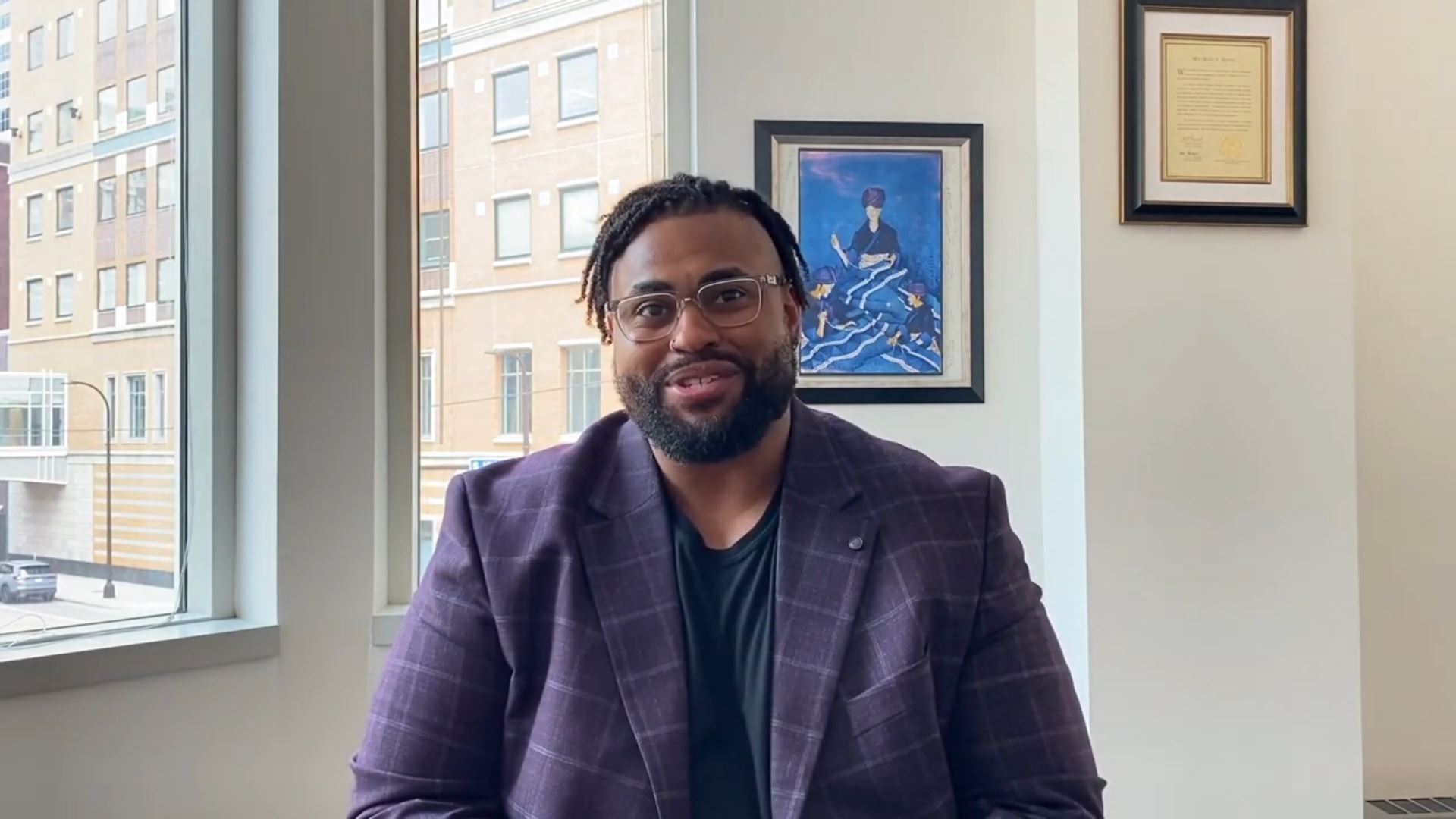
    Dante Williams gives a testimonial

    Testimonial: Doctoral Internships

    PsyD student Dante Williams shares his experience at St. Thomas, including his doctoral internship with the St. Thomas Center for Well-Being.

    Accreditation/Licensure Information

    In October of 2000, the Psy.D. at the University of St. Thomas' Graduate School of Professional Psychology was accredited by the Commission on Accreditation of the American Psychological Association. Questions related to the program's accredited status should be directed to the Commission on Accreditation.

    • Office of Program Consultation and Accreditation
      American Psychological Association
    • 750 First St., N.E., Washington, DC 20002-4242
    • (202) 336-5979
    • Email: apaaccred@apa.org

    http://www.apa.org/ed/accreditation

    The Psy.D. in Counseling Psychology in the Graduate School of Professional Psychology (GSPP) at the University of St. Thomas is founded on a practitioner-scholar model. The GSPP aims to train entry level health service psychologists who integrate the science of psychology with self-reflective practice, think systemically and developmentally, and who provide ethical, inclusive, and culturally sensitive services to advance the common good.

    Overhead view of people sitting in a circle for group therapy.

    Find the right one for you

    Variety of Practicum Sites

    With many available practicum sites, PsyD students can apply to a wide range of agencies to complete their practicum. Students enjoy personalized training experiences to support their long-term goals. Sites include university counseling centers, community mental health clinics, correctional facilities, schools, hospitals and the Interprofessional Center for Counseling and Legal Services.

    Why St. Thomas?

    As our primary point of focus, you'll be assigned a full-time faculty advisor in the Graduate School of Professional Psychology and have access to student organizations.

    Study Within a Cohort

    You'll develop your professional community as you form deep relationships with your academic peers.

    Faculty Advisors

    Our faculty are practitioners who take the time to get to know you and to connect you to a strong network of diverse students, faculty and alumni.

    Get Involved

    Enhance your experience in groups for counseling psychology students, like the Graduate Student Organization and the Students of Color, Multiracial and Indigenous Students (SOCMI) groups.
    Student and Alumni Stories

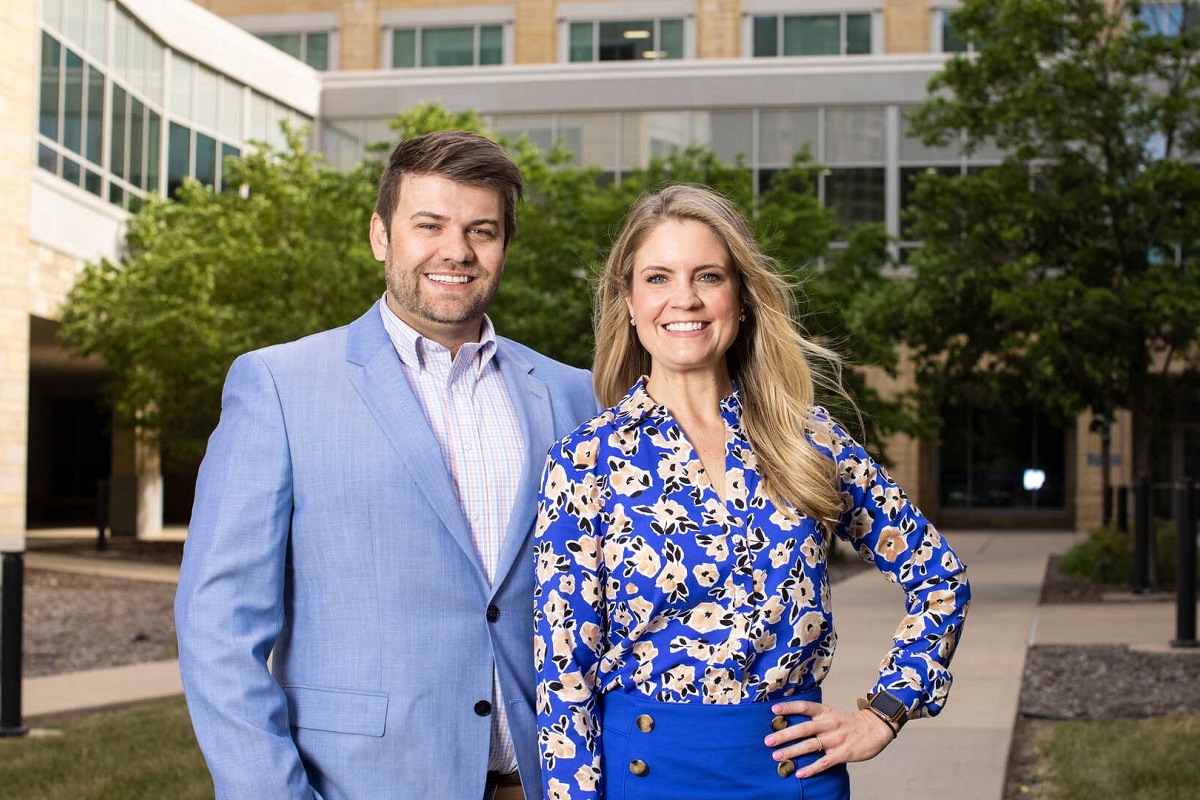
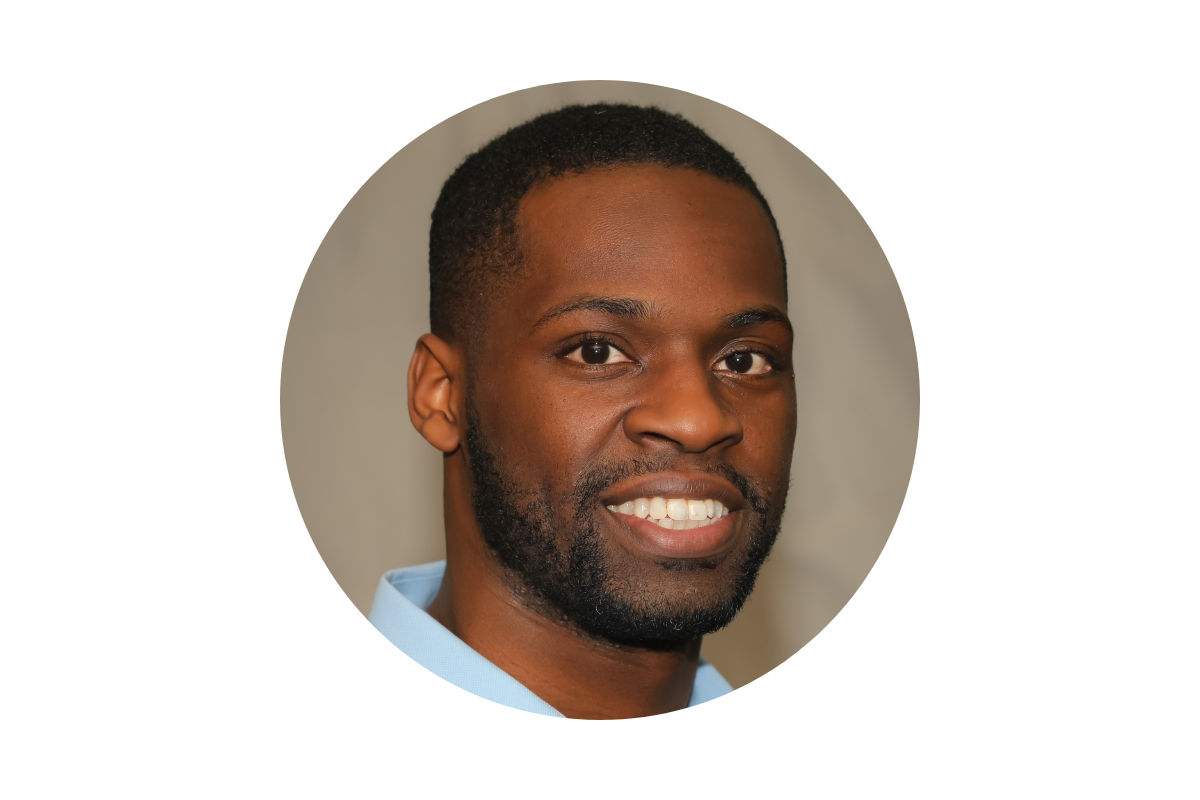
    CARE Counseling co-founders, John and Dr. Andrea Hutchinson, on the St. Thomas Minneapolis campus Theo Catanzaro headshot

    Rising stars on their secrets to success

    CARE Counseling

    PsyD alumna, Dr. Andrea Hutchinson, and her husband, John, founded one of the fastest-growing companies in the Twin Cities. Learn how they've found success providing excellent care to clients and their employees, while giving back to St. Thomas students.

    CARE Counseling

    On a mission to overcome stigmas

    Theo Catanzaro

    Theo Catanzaro is pursuing his PsyD at the University of St. Thomas to address issues related to eating disorders and suicidology.

    Theo's Story

    Meet Our Faculty

    Our full-time and adjunct faculty members are professionally engaged with a blend of applied (professional practice and consulting) and scholarly activities. Faculty bring their experience into the classroom.
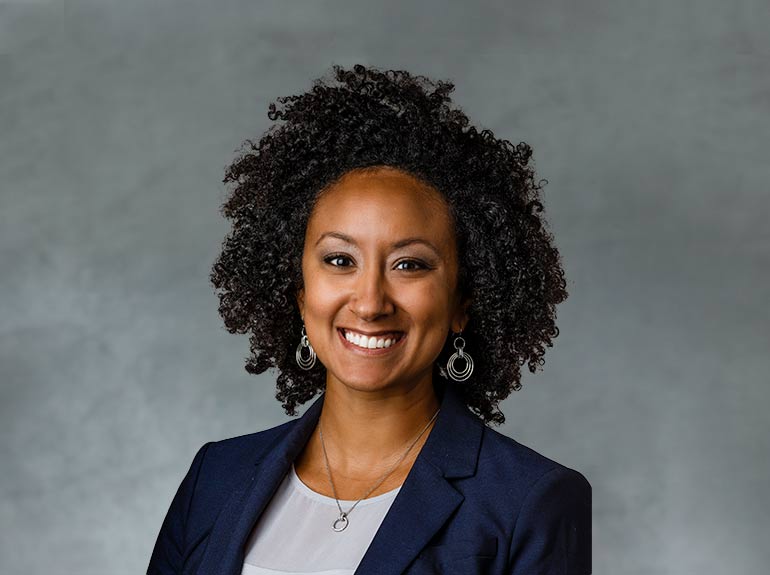
    Dr. Bryana French.

    Bryana French, Ph.D., L.P.

    Dr. French teaches courses in Diversity Issues, Counseling Skills, Dissertation Methods, and Career Development. Her practice interests focus on multicultural counseling, advocacy, and sexual violence recovery. Her research interests focus on sexual coercion and radical healing from racial trauma.
    DR. BRYANA FRENCH
    Dr. Tatyana Ramirez.

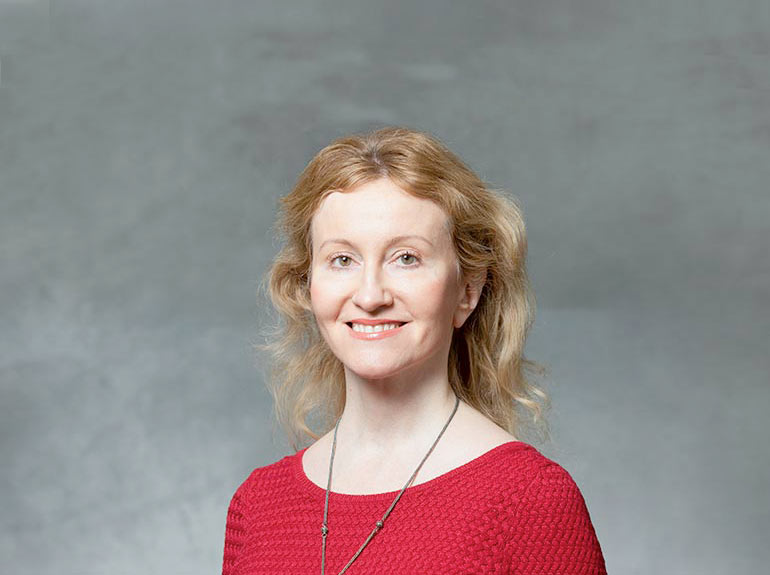
    Tatyana Ramirez, Ph.D., L.P.

    Dr. Tatyana Victorovna Ramirez teaches theories of counseling, personality assessment, basic counseling skills, and master's level practicum. Her current scholarly interests are focused on experiences of people with international backgrounds. She provides psychotherapy and collaborative personality assessment services as a practitioner.
    DR. TATYANA VICTOROVNA RAMIREZ
    Dr. Nathaniel Nelson.

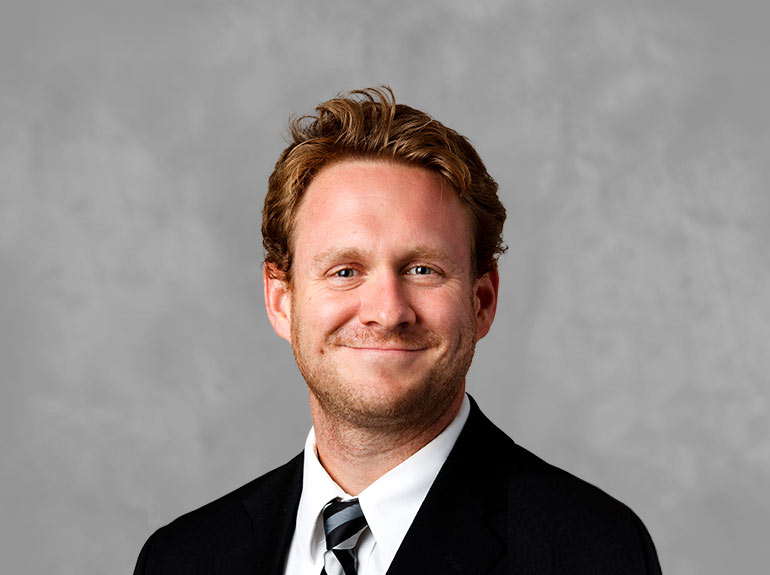
    Nathaniel Nelson, Ph.D., L.P.

    Dr. Nathaniel Nelson teaches courses related to biological bases of behavior and quantitative methods. He retains various research interests in clinical neuropsychology and conducts neuropsychological evaluations among adults with histories of various neurological and psychiatric conditions.

    DR. NATHANIEL NELSON

    Upcoming PsyD Events